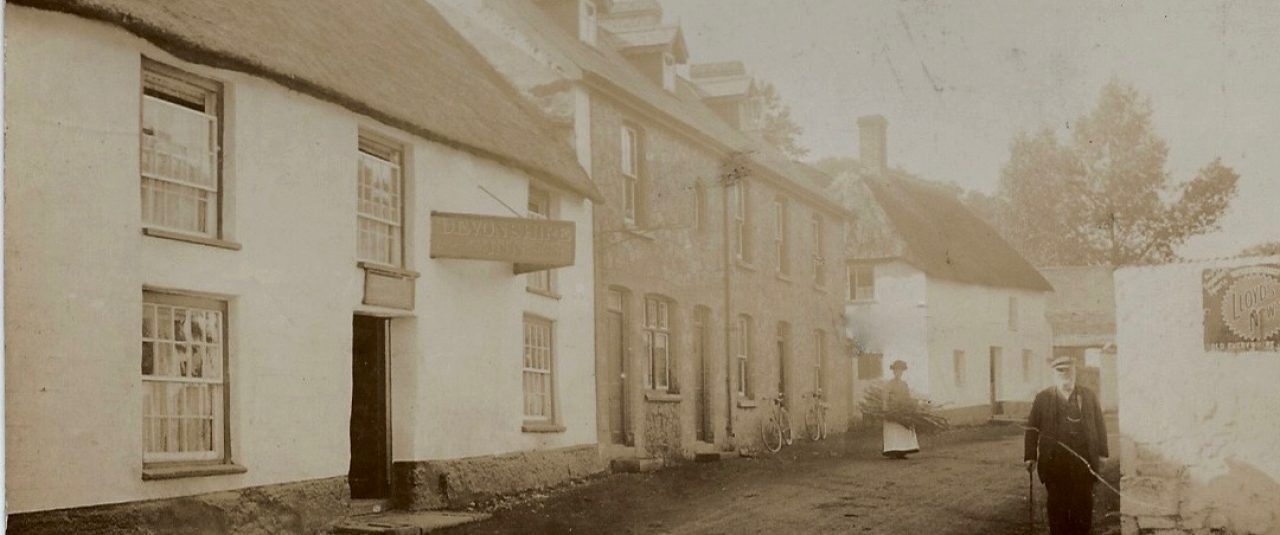

#OnePlaceWednesday #OnePlaceStudies #SticklepathOne #Sticklepath #Genealogy #Ching
I think this week will have seen Auntie Kate turning in her grave! She has been the subject of two contrasting pieces which perhaps demonstrate what I call the genealogy and family history approaches. The budding genealogist in me was doing an exercise presenting the evidence I have regarding Kezia Ching for a Pharos course with Karen Cumming @CummingsPFH, trying to understand all about reports and evidence based genealogy. (for more about this exercise see https://helenfinchsticklepath.wordpress.com/?page_id=1737)
At the same time I was preparing a scenario to read in my very rusty Devonshire accent, imagining what Auntie Kate’s daily life was like. A full blown genealogy report stating all the facts is very useful for someone trying to find connections going backwards, building up their family tree from the present to the 1800s and beyond. However, for the less academic, a softer approach is perhaps more accessible. We need both. The scenario, like many historical novels, uses some poetic licence but is equally researched, based on a range of resources and evidence. I am sure both of my end results can be improved upon.
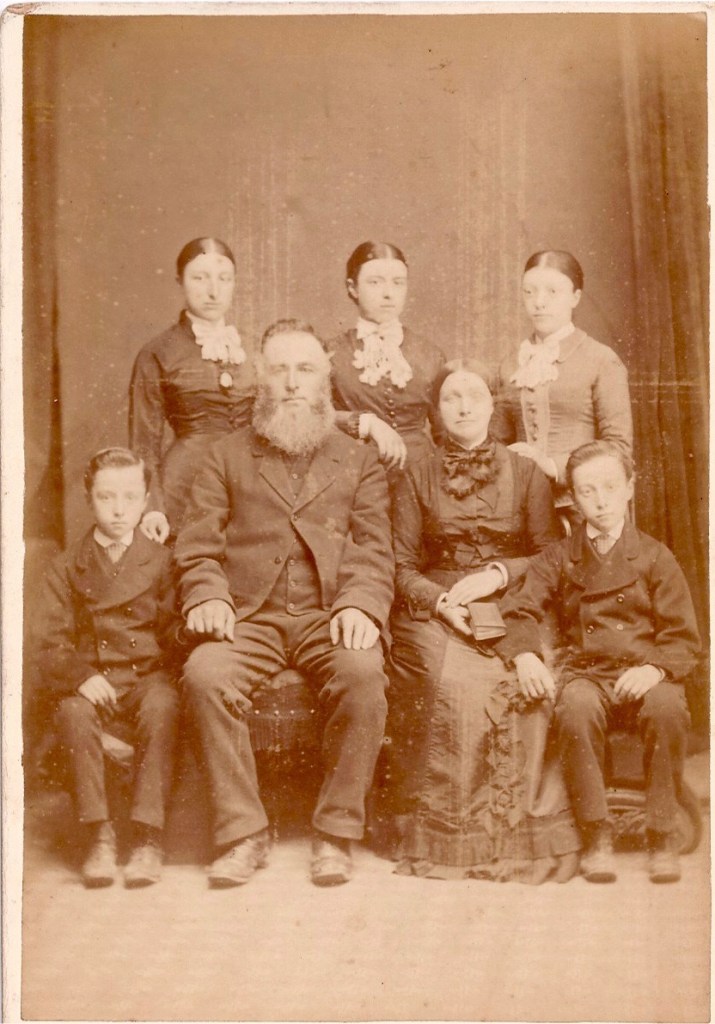
I am very lucky to have a range of photos and documents, largely I believe kept by Kezia Ching herself. Part of what I enjoy about family history is combining the different sources and seeing connections between them. Weaving a web! For example, looking at details of the photographs I have scanned I noticed these were taken on the same day, or at least the girls are wearing the same clothes:


Bringing in a story from the foundry about how women bring their irons to be ground flat and what I have been told about ironing or pressing clothes, the scenario developed (please read with a Devon accent!):
“Now then yer they be, my family. Goodness tis not far short of 200 years since Eliza and George were born, latter half of the 1820s. Don’t time fly – of course, come the end of the 1920s and I be the only one of the lot of us still standing!
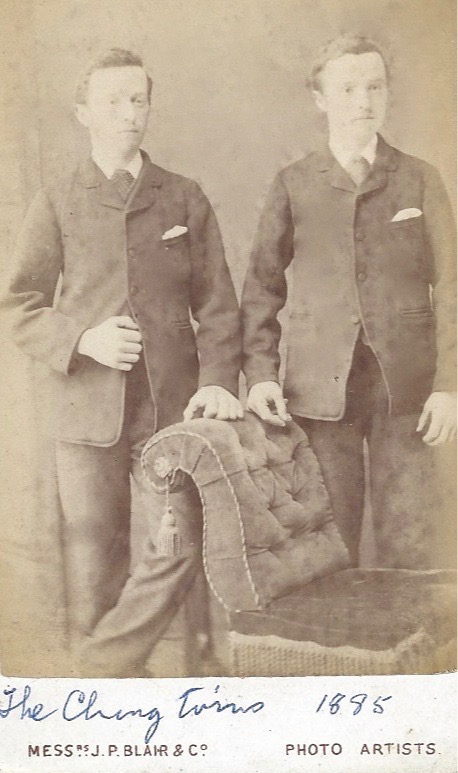
There we are the 3 sisters at the back Eliza Ellis, then myself Kezia Huxtable (the Huxtable is for my mother you know) and Georgina. Then a bit later along came the twins, Georgy and Louis. I was 7 when they were born and I suppose once Eliza went into service I was often left looking after them. A bit of a handful, but good training for me! Sticklepath School wasn’t built until 1879 so too late for all of us, but Mum and Dad ensured we all did our learning.
Oh I remember the day that photo was taken, the three of us had dressed up, pressed all our frills. It wasn’t quick job ironing those dresses. But the photographer made us stand at the back there, where no one could see our skirts. So we had to have a second photo to show them off.
I think mother might have taken the old iron down to the Foundry you know, to have the bottom ground flat for us on their grindstone. Of course you had to have a good fire to heat the iron, and we’d have put a piece of damp material between the iron and the frock so as not to damage it or make sooty marks, but it did help get rid of the creases.
We did like to take some pride in our appearance you know, tried to keep up with fashions but you didn’t have a new dress very often, and look at the yards and yards of material, to say nothing of the underskirts. Sometimes we would alter the decoration or for a bit bigger job, take it to one of the village dressmakers to alter. Of course all that changed – by the 1920s girls just wore a little thin straight slip and a loose dress in flimsy material to just below their knees!”
There are many decisions for the author along the way – should we enhance the photographs? How far can we imagine scenarios? What words and phrases might belong to the times? The following two photos demonstrate the changes in the road during Kezia’s lifetime, and I quote my grandfather’s words regards the hedges in his childhood, as if said by Kezia. (Don’t forget the accent!):
“I was born and raised at Coombehead Farm. There was always something us as children was expected to do to help. Here is the house. Of course my niece Phyllis was born there too about 1902. Girls about to be a new mother nearly always came back to their own Mum for their first birth in them days.

Now that one on the left you can see there are still wild flowers growing alongside the path at the side of the road, proper pretty in spring and summer as you walked the mile and a half down to Sticklepath Wesleyan Chapel. Proper Chapel Folk we were you know. But I think you can see the wall there looks quite dusty. In summer the hedges would be white with dust. It may have been a main road from Exeter to Cornwall, but it wasn’t the smoothest of roads neither.
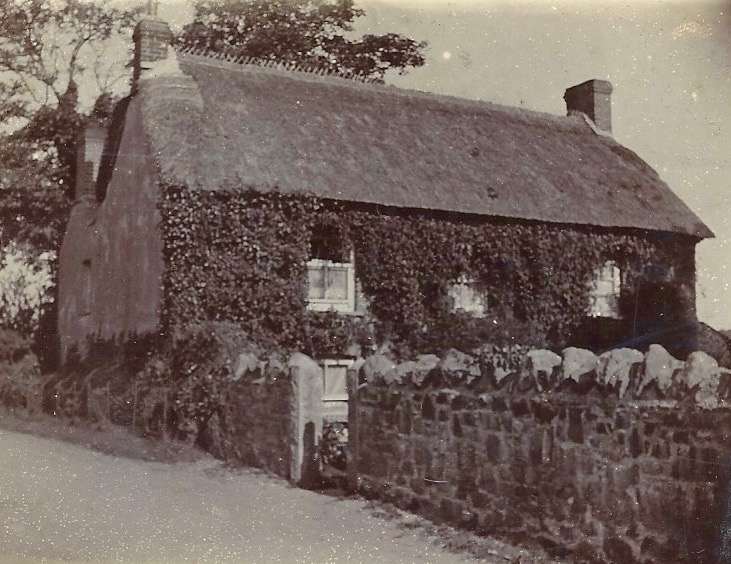
They widened the road and of course eventually us got proper tarmac. That wasn’t good for those in the farmhouse look, no space between the house and road now. Nor did it suit those of us on Shanks’s pony – the walkers I mean! The wall looks cleaner though. Less dust, but more fumes later though as motor cars come into fashion.” You might also note the art of dry stone walling was lost when the wall was re-built.
Creating a story brings out different aspects of local history and daily life to a genealogy report focused on personal documentation, and perhaps is more generally applicable to the ancestors of audience members. I take great pleasure from finding a new source or developing a new understanding of sources. Creating a story pulling the facts can be great fun too – I certainly enjoyed it!
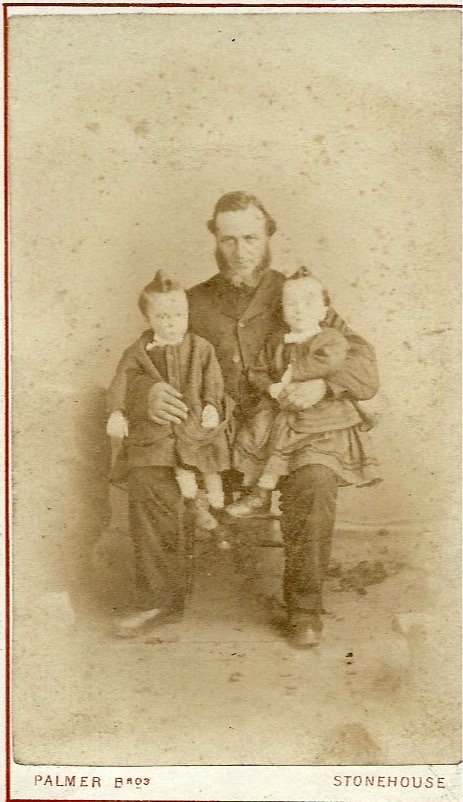





 Sticklepath a Village and its People