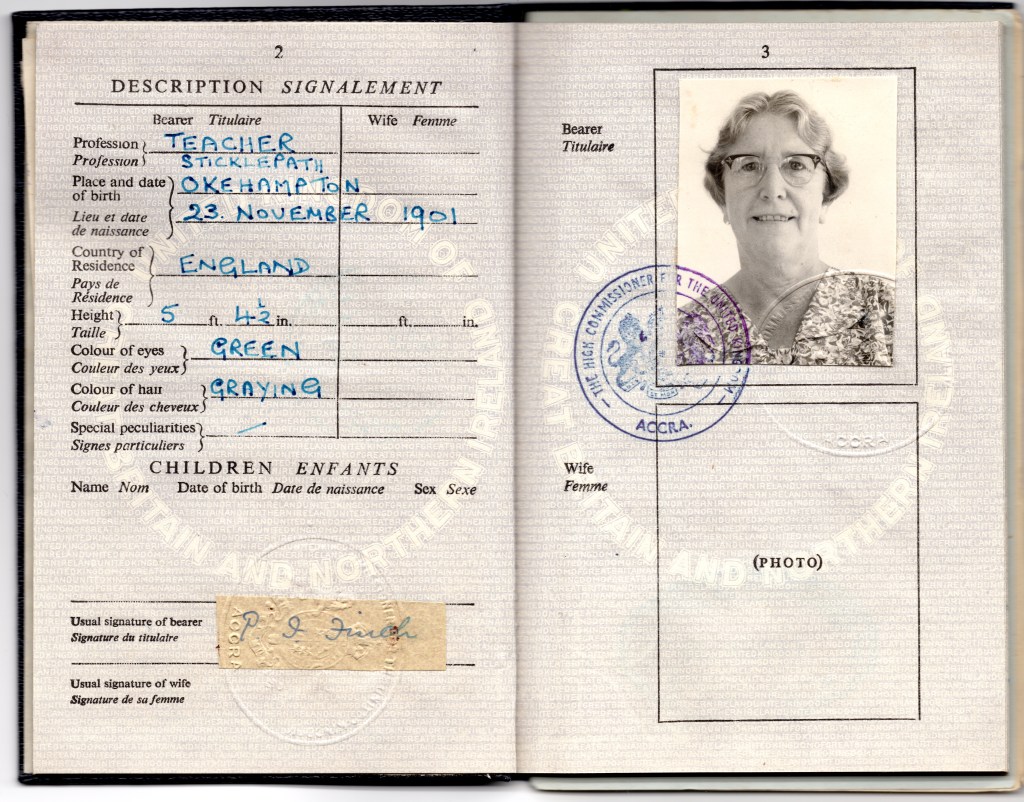
A passport can be a mine of information. Firstly the obvious – a photo, description and signature. There may also be vaccination certificates tucked in amongst the pages. Phyllis had her smallpox vaccinations done locally in Okehampton but for Yellow Fever a trip to Plymouth was needed.
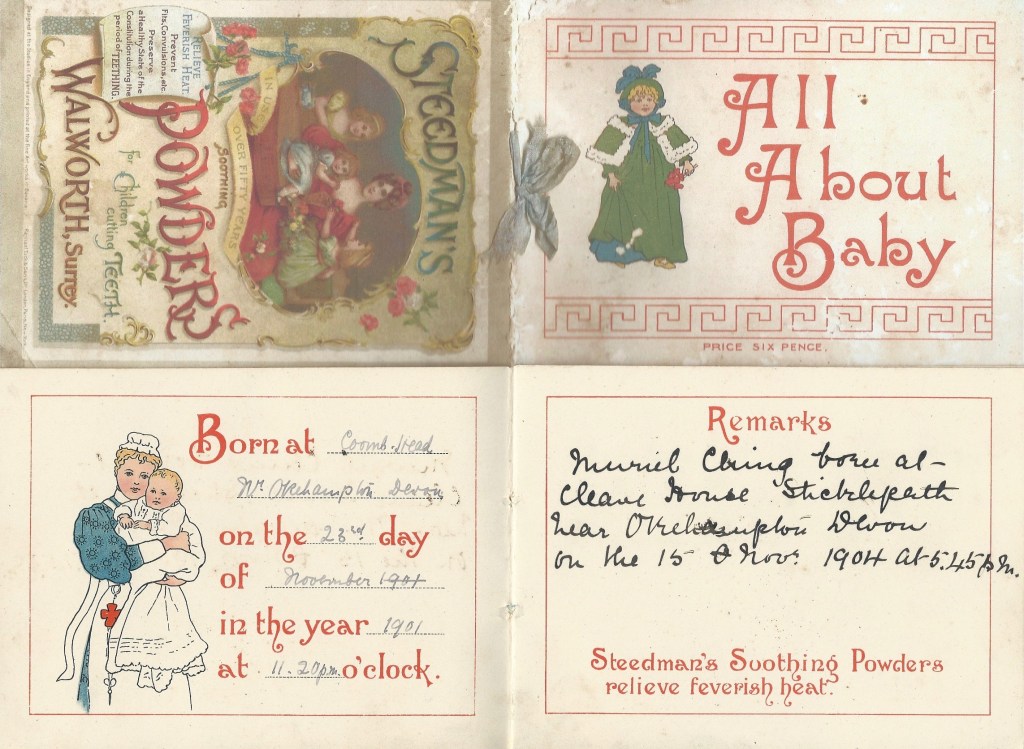
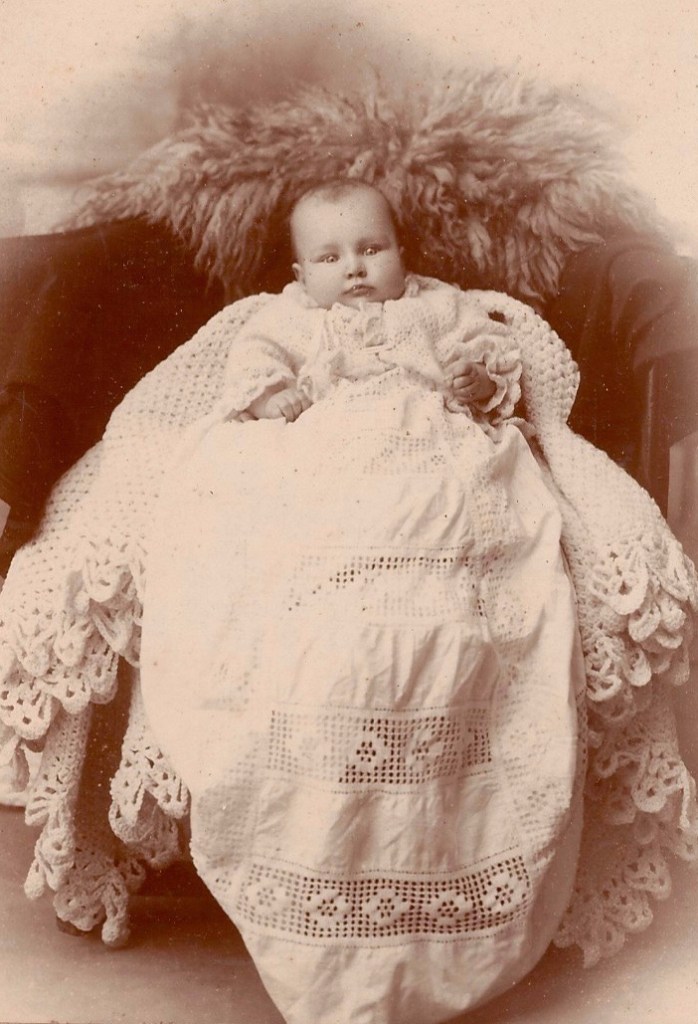
Phyllis Irene Finch was born at 11.20 pm on 23rd November 1901 at Coombehead Farm, at the Western extreme of #Sticklepath, at Tongue End near Okehampton, Devon (South West England). Here is a photo of the small a baby book – to which her sister Muriel was later added under ‘Remarks’.
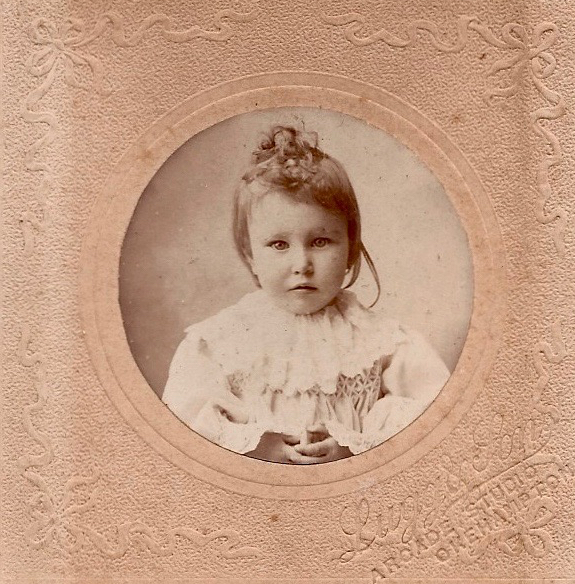
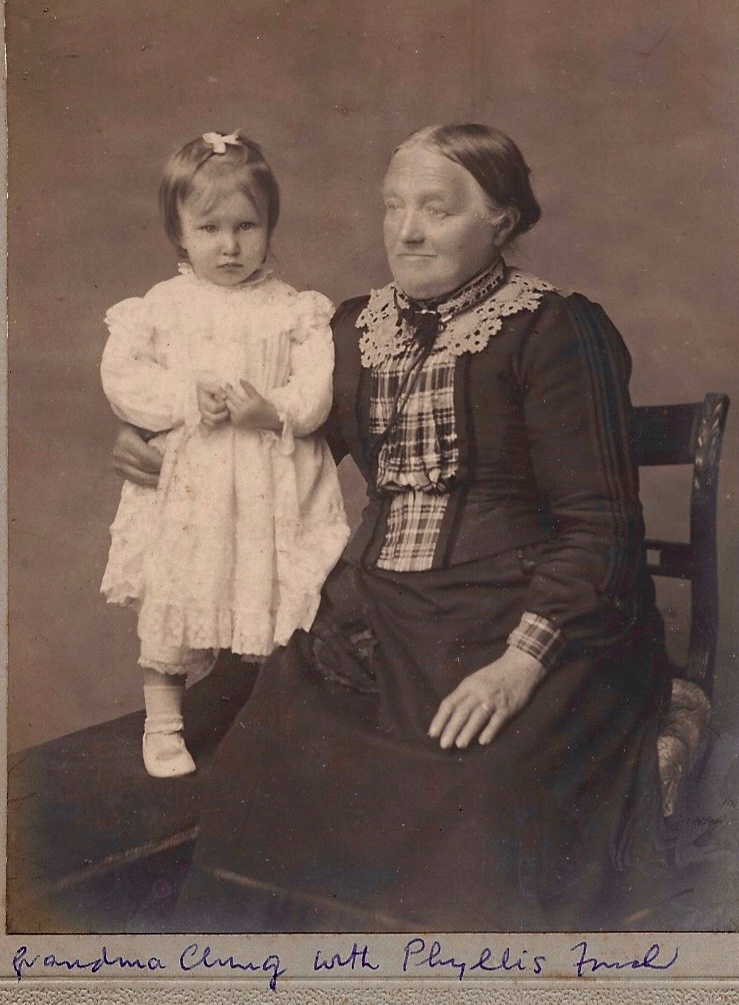
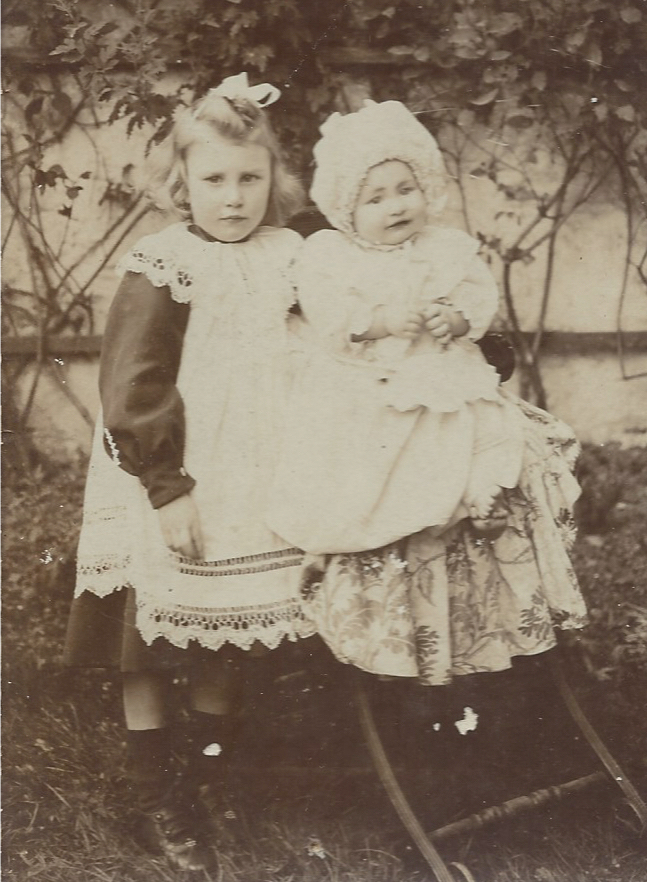


Phyllis went to Bedford College (where the ‘bob’ style haircut was said to originate). She became a geography teacher and Methodist missionary. Some of the time she worked at International House in London. Some photos suggest she may have had a placement in Sierra Leone. I remember the thrill of first finding her name on a ship’s passenger list online. The passport allows us to follow her travels, with dates, through the visas and embarkation stamps in her passport.
In the late 1930s she was teaching in China at Fat Shan School. It was apparent in 1941 that war (WWII) was approaching and Phyllis did a nurse training course including 96 hours of work experience in Hong Kong. The names of all those completing the course were published in the newspaper (Hong Kong Daily Press 3 Jul 1941 page 5 as accessed via Gwulo). It is not clear when she was interned in Hong Kong but it was likely in the first wave. A meeting was called and without warning they were marched to stay in greatly overcrowded hotels until Stanley Camp was ready. The first internees therefore had minimal belongings or money with them. She is named as being in the camp, with one mention of her in the ‘Indian Quarters’, but unfortunately no further evidence of her life at Stanley has been found (yet).
The story of Stanley Camp can be found on Gwulo.com, an amazing award winning website run by David Ellis. Meaning ‘Ancient’ in Cantonese, Gwulo deals with all things about Hong Kong history, and includes many lists such as transcripts of jurors and many photos with detailed explanations. David has written several volumes exploring the depths of old photographs which has really inspired me to look deep into my own photos. For any one interested in Stanley Camp, various diary entries written by internees can be sent daily so you can follow their story. Phyllis was there for 4 long years. Whilst this was not a POW camp, hunger and malnutrition were part of daily life, and vitamin deficiencies eg Beri Beri were common.
I can only imagine what this meant for her – loss of liberty, frequent roll calls, following Japanese rules, obeying the guards, lack of food, mass repetitive canteen cooked food, loss of role as teacher and missionary, loss of privacy and minimal personal space. There were an excess of teachers and missionaries among the ex-pat internees. Her previous role in leading prayer and discussions of faith for example was probably not needed. I suspect there were also many qualified nurses, but she may have been able to do minor duties. Rooms were overcrowded and all facilities greatly limited. They were however allowed to follow their faith and there were entertainments put on by the internees. Clothes, shoes, beds and bedding and other furniture were all in short supply. Few letters got through to the camp and even less were sent out. Red Cross parcels were very sparse. When her father was dying in mid-1945 he was still not sure where she was or if she was alive.
Finally we come to that unusual entry in Phyllis’s passport, a primary source of evidence for her internment. Unfortunately when the war was ending it would have become clear that many internees passports were out of date. Franklin Gimson had arrived in Hong Kong to take up the role of Colonial Secretary only a day or so before he also became an internee himself in December 1941. In 1945, before they were released he hand wrote the renewals for all passports as needed, as seen on the right hand side (with transcript) here:
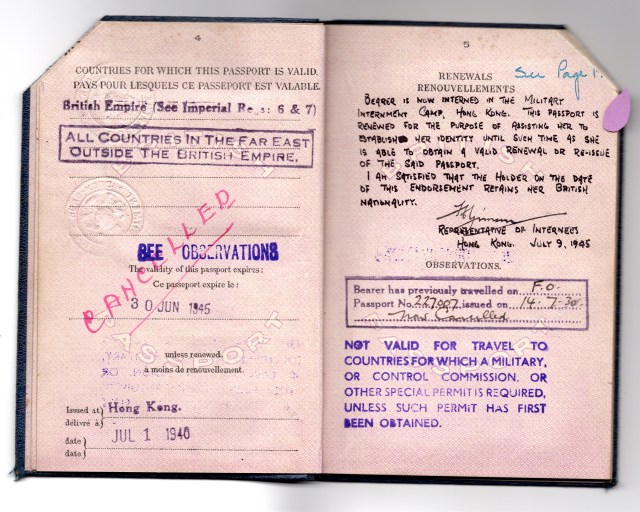
Bearer is now interned in the military internment camp Hong Kong. This passport is renewed for the purpose of assisting her to establish her identity until such time as she is able to obtain a valid renewal or re-issue of the said passport. I am satisfied that the holder on the date of this endorsement retains her British Nationality. Signed by Franklin Gimson, Representative of Internees Hong Kong July 9 1945

When the end of the war came there were thousands of internees to re-patriate. Phyllis did not arrive in England until 30 November 1945 as shown in her passport. She travelled home on HMS Indomitable, though she may have only joined this from Australia. A small ‘brochure’ and photograph of the journey was produced.
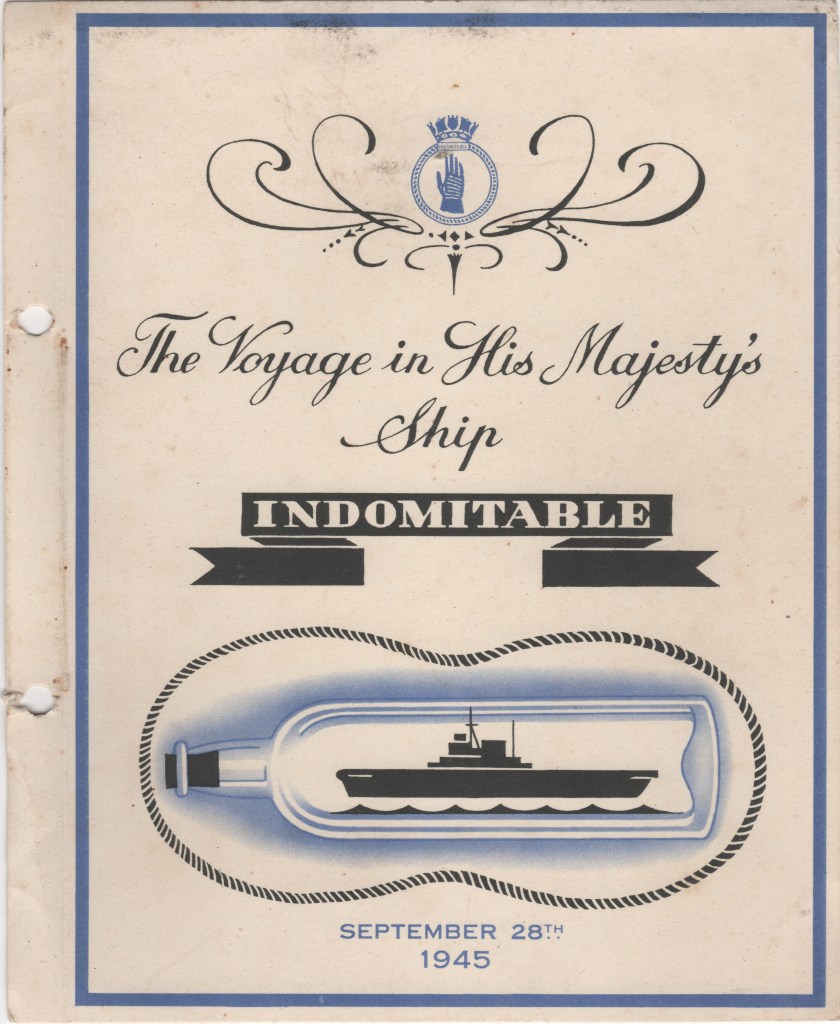

It is surprising to me that she soon returned to her school, I think Wa Ying Girl’s school in Fat Shan. She left London in September 1946, passing through Colombo and getting a visa stamp 17 October 1946 Canton. She is also in the 1947 school year book.
Finally the passport contained a few additional treasures, tucked between the pages. Letters including this one confirming her later posting.
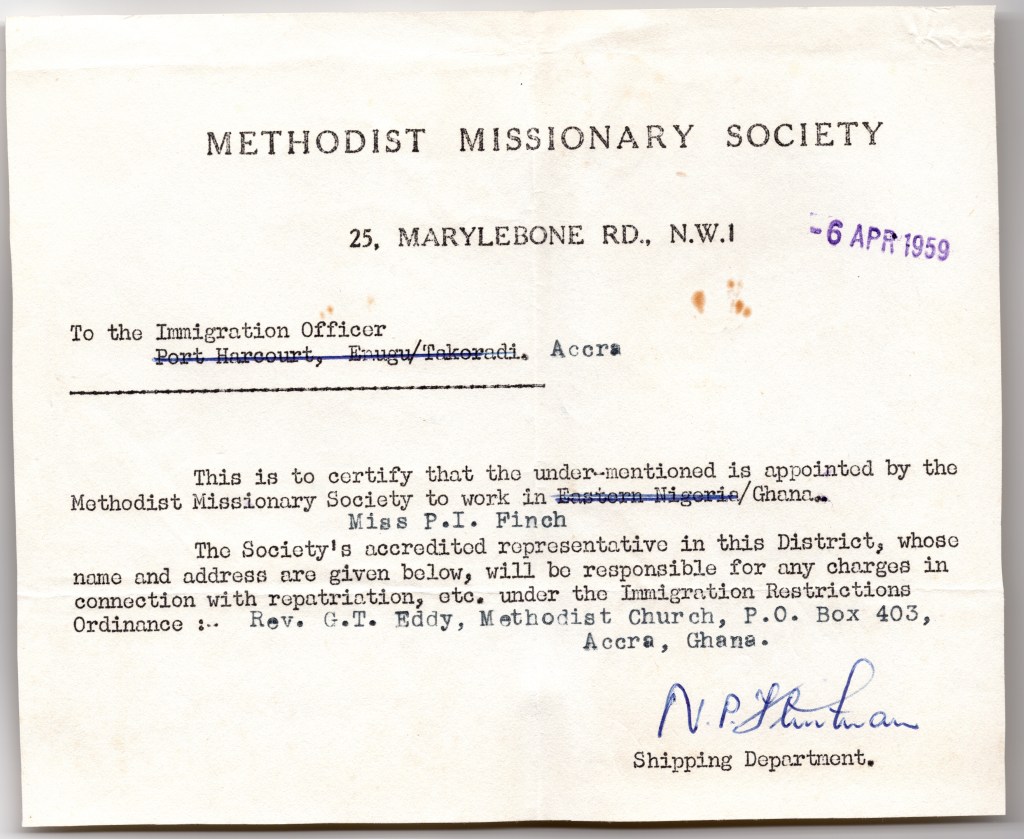
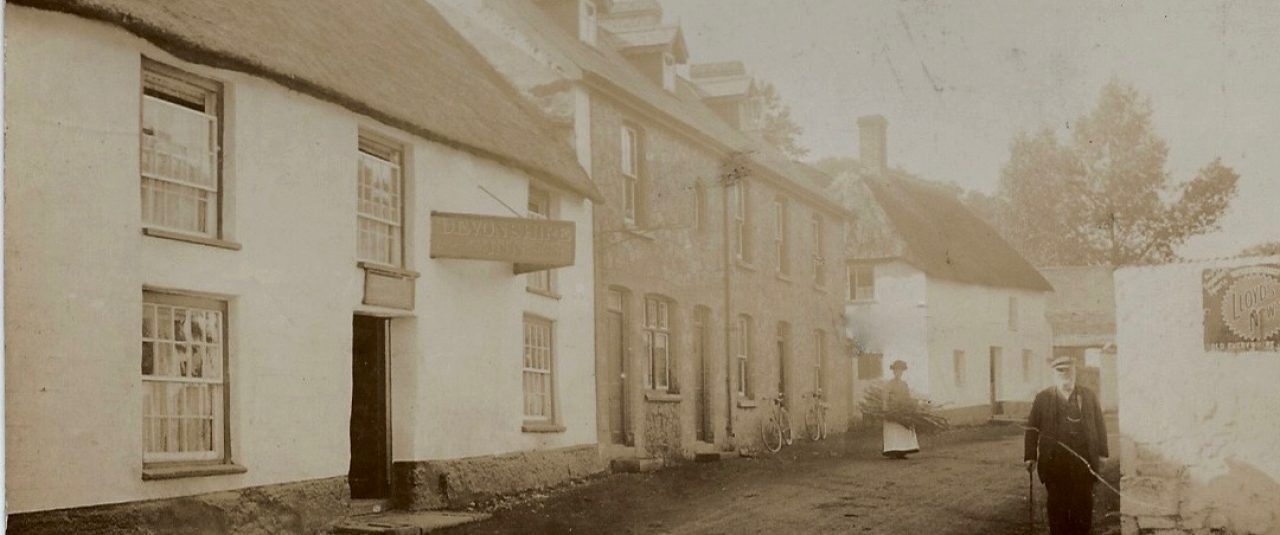
She was moved to Ghana, where her passport again ran out and hence in the first passport photograph above, we note it was issued in Accra by the British High commission. Sticklepath was always her home village and she retired here in the 1960s, living in Cleave House with the family initially. She moved to Farley Cottage opposite the Methodist Chapel, but came daily to Cleave House to make tea for the family, lorry drivers and workshop staff at 11 each morning during my childhood. In her final years she moved to No 2 Ska View Cottages, next door to her sister Muriel. She collected horse brasses and took a great interest in the show jumping. I suspect she was the one to make obstacle courses for ‘Helen horse’ to jump over! #SticklepathOne #Finch. #Oneplacestudies #Stanleycamp





 Sticklepath a Village and its People