A Little Light Relief – The PERFECT CURE

Great article with sources. The Royal Magazine. see also J.H.Stead on Wikipedia.

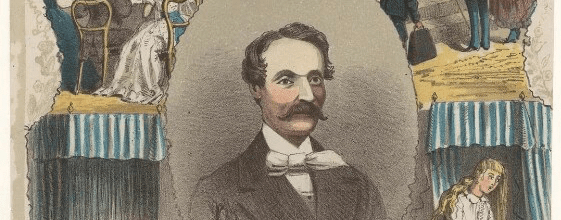
The Man who Never Stood Still! James Hurst Stead (c.1828-1886) made his money performing in music halls. His act consisted of a song and punk or pogo-style jumping! Standing tall and straight with his arms firmly by his sides he repeatedly leapt high in the air, and was famous for it. He was best known for a particular song routine – “The Perfect Cure”.

The son of a blacksmith, he toured Britain, performing in Manchester, Leeds, Birmingham, and many other venues, before settling in London. It seems he lived in relative squalor despite leaving over £3000 in his will. (Equivalent today more than 100x that)

James Henry Stead
by W. Kelly, published by B. Williams
chromolithograph, late 1860s-early 1870s
NPG D42786
© National Portrait Gallery, London, used under Creative Commons licence

Cure does not refer to relieving symptoms or eliminating a disease. The phrase ‘perfect cure’ was slang, current from the mid nineteenth century, for an eccentric and amusing person. Here the cure was the curio or curiosity that was this pogo-ing music hall performer, as well as the title and chorus of his song. Someone is said to have counted almost 500 jumps in one performance. There were even puppets made mimicking his appearance and outfit. He started performing it dressed as a French curé (priest, another play on words) in sombre attire, but it is the red and white striped French clown’s outfit and tall conical ‘dunces’ cap in which he was remembered. 

Find-a-Grave has a transcription of the family memorial and photo of the stone. It commemorates two children who died young as well as “Jimmy The Cure” and his wife Sophia.

How is this connected to #Sticklepath OPS? Although I have no evidence that James had any connection with Sticklepath the next three generations did.

James Hurst Stead had at least 11 children with his wife, Sophia Elizabeth Rushbrook. Albert Rushbrook Stead, their 8th child, was born 15 June 1879 in St Pancras, London, but died at Rockside View, Sticklepath aged 77y. He was buried on 26 November 1956 in Sticklepath Quaker Burying Ground. A coachman he had worked for undertakers (1911 census). He or his son are the link to Sticklepath, though quite how this came to happen is still to be discovered.

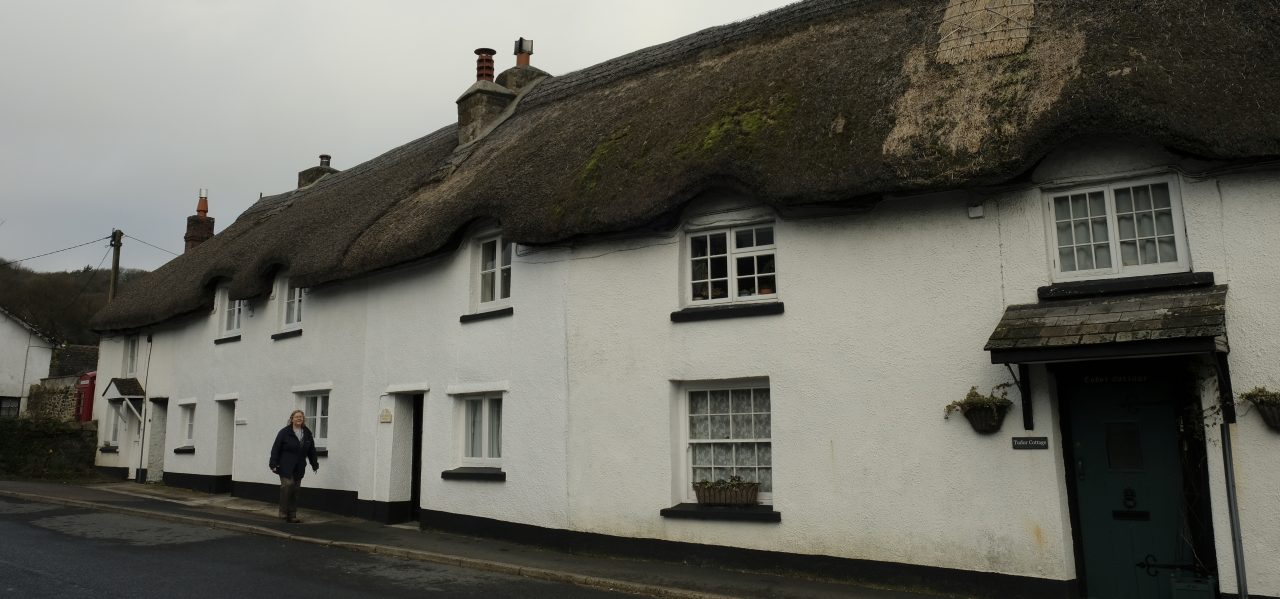
White Rock Cottage, Back Lane, Sticklepath 1983

Albert Rushbrook’s son Albert Thomas Stead (1903-2000) married a local girl Ellen Louisa Hellier (1900-1968), and was our local postman. The family lived in White Rock Cottage, Back Lane, Sticklepath. To understand more of the Hellier family see an earlier post.
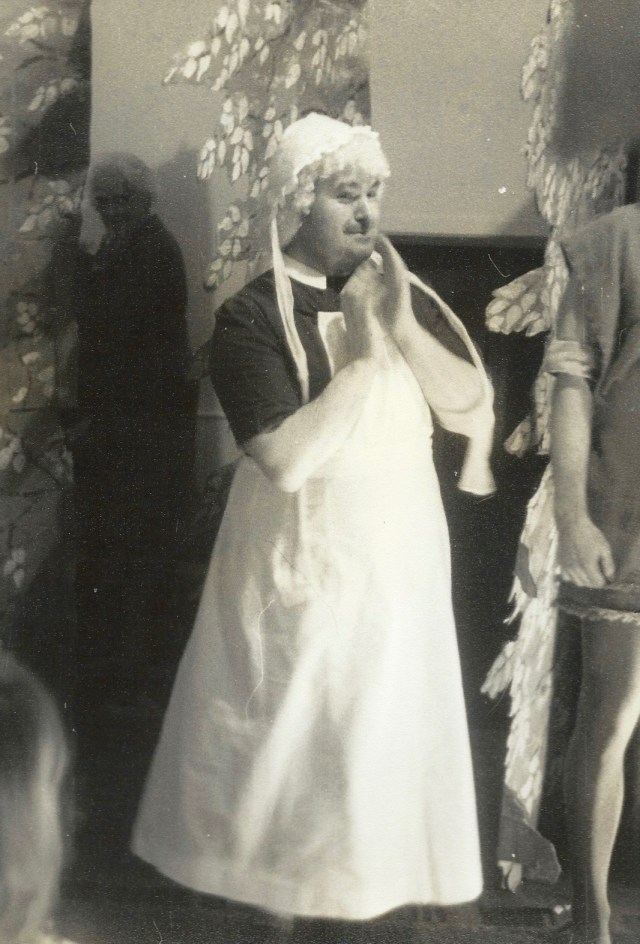
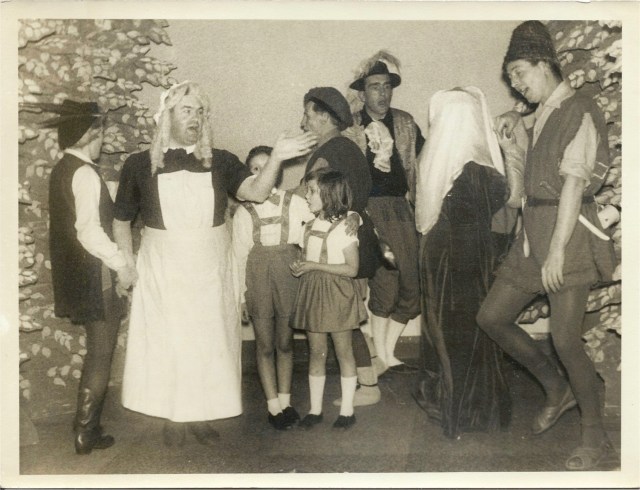
Albert Francis Stead as pantomime dame in Sticklepath, probably Babes in the Wood early to mid-1960s.

Albert Thomas Stead’s son, another Bert Stead, (Albert Francis Stead, 1929-2012) was the Sticklepath Sunday School Teacher of my youth. Bert, a Methodist local preacher, was a local and family historian in the days well before the internet was a twinkle in anyone’s eye. He also enjoyed putting his hand to a bit of amateur dramatics (and made prize winning jam). Bert was very proud of his Great Grandfather “The Cure” and perhaps had inherited the entertainment trait!
To learn more of the Hellier family see this earlier post.
Do you feel part of the Genealogy and Local History Community?

As “All About That Place” draws towards a close, the event leaves me with a real sense of the huge local and family history community that is ‘out there’. The Facebook group is continuing and all talks remain available until 9th October and some after that.

My question is – how can we build on and feel part of the genealogy and local history community? What do you do?

For those with an interest in place The Society for One-Place Studies provides a great opportunity to chat over Zoom at least monthly with like-minded historians, who don’t all have a One-place study, at least not yet! The monthly webinar, often led by a member, demonstrates different aspects of studying a place, it people, events and so on. Each #OnePlaceWednesday (for more than 24 hour as Wednesday travels around the world) the hashtag brings One-Placers together using a variety of social media, sharing blogs, pleasantries and word play, increasing that sense of belonging to a community. There are monthly blogging-prompts too encouraging people to share research online, in the journal or on the Society blog.

The Few Forgotten Women Project aims to bring stories of those women into the limelight, and provides an opportunity for researching as a group. The #FewForgottenWomenFridays are research days when a particular group or resource is explored, by perhaps around 50 researchers. Each person is given a name to investigate and write up. The referenced stories resulting are put online. Ideally this is a short term project, perhaps completed within the day or week by each researcher. Zoom is used on the day to meet and chat, discuss the research process, seek help, share findings and get to know each other. There is also Few Forgotten Women free event of short talks for International Day of the Girl on 11 October (Details will be available soon).

Reading and sharing blog posts and online articles is another way to keep abreast of interests, new records online, hot topics and so on. I enjoy “How to History”, short articles pointing to different sources. What are your favourites? If you are new to this, a good place to start is someone who gives their top posts of the week or month, for example, Genea-Musings or GenealogyALaCarte, FridaysFamilyHistoryFinds or FridayFossicking. Explore even a few of their links and time flies by!

Others join together with a particular title such as Amy Johnson Crow’s #52Ancestors. This series of weekly prompts asks you to think about an ancestor and share something about them. Some people do every week, others occasional posts but they are interesting for readers too! Those taking part can share their findings in the Facebook group and Amy shares her top choices for each week by email with those who have signed up. Do check out the 2023 weekly prompts, you can join at any time.

Searching with any of the above suggested hashtags can bring a wealth of posts to read and get ideas too. The above are all free or minimal cost (Society for One-Place Studies Membership £10, less if you are under 21). Many Societies are very low cost.

Family History Societies and Local History Societies also provide opportunities to get together, in person and increasingly online, as well as Zoom meetings to increase your knowledge and skills on chilly evenings! You can explore options in the forthcoming Family History Federation Really-Useful Show 17th and 18th November. The Friday is all about exploring the Societies and what they have to offer. Just remember all such voluntary societies are dependant on its members, and that is where you come in too!

There are many other options. The Society of Genealogists have many events, a member’s forum and various ways to ‘get together’. Pharos Online Courses give students have a chance to get to know each other whilst learning more genealogy skills, and Natalie Pither’s Curious Descendants Club shares plenty of information about improving your writing skills and members chip in with ideas as (brave) people bring their stories for comment.

How do you link with other historians?

Follow up from Auntie Kate’s Talk #AllAboutThatPlace 2023

Auntie Kate’s talk goes live at 12 midday today and will be available for at least 2 weeks. I hope people enjoy the talk.

There are three lines of follow up you may be interested in if you have not been a regular reader of this blog, plus news of a follow up talk. Click on the link(s) you want to follow:

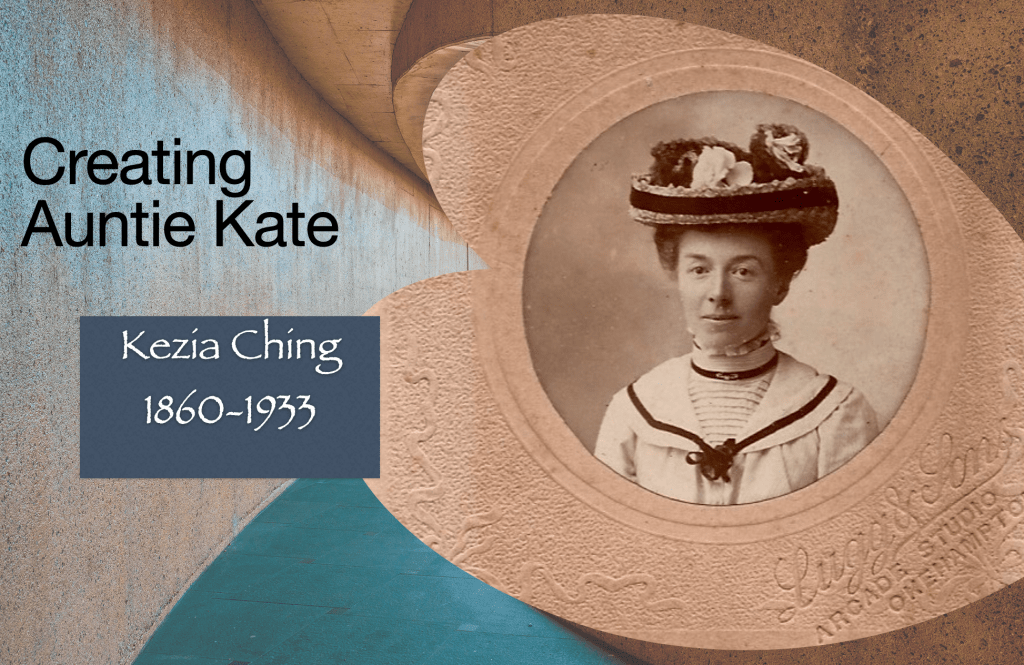
First a series of short blogs “Who was the real Auntie Kate?

Second (in two parts so far) Sources to investigate the school in Your Place

Third an on-going series about Sticklepath School, its teachers, pupils and stories, which you can sign up to follow either here on WordPress or on Facebook on https://www.facebook.com/SticklepathOne

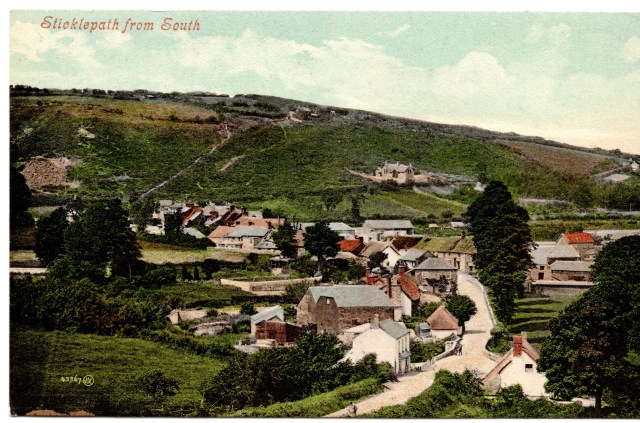
Chapman Postcard showing Sticklepath and the school part way up The Mount

There is a follow up talk, thinking about how Auntie Kate came to be and different ways people might share their own family history. It airs on Sunday at 4pm and will be available for at least 2 weeks.

#AllAboutThatPlace Sunday 1st October 16.00 BST

#AllAboutThatPlace is a great event for both family historians and local historians, whether beginners or experienced. I have enjoyed many of the talks so far – just struggling to keep up with so many fantastic 10 minute talks each day!

I hope you are enjoying it too 🙂