

Kate continues to tell us about her life: Once I was married it was my job to make our little house into a home and do all the housework. Nice to be working for yourself though, making the choices. We had various tradesmen calling, like Fishy Holman, the fish man. He came twice a week from South Zeal. The butcher never came til late in the day, the midnight butcher we called him!
Then there was Mr Wonnacott’s groceries. He came with a covered wagon, horse drawn of course, with a tank built into the back for Paraffin. My sister Gina made sure I was not to buy that, ‘cos of course her husband Finch sold paraffin, and coal.

The baker, Marks from Okehampton, also came with his big square basket. Ooo such lovely bread, cottage loaves and so on. Sometimes he had a second much shallower oblong wicker basket, with lids that folded over each side, you know. Contained special treats, a jam tart or piece of cake. Wasn’t very often. Course you then you would have to pop down the road to the dairy for half a quarter of clotted cream. William would often give the girls a penny to spend at one of the sweetie shops – several ladies ran a little shop in the village to help make ends meet.
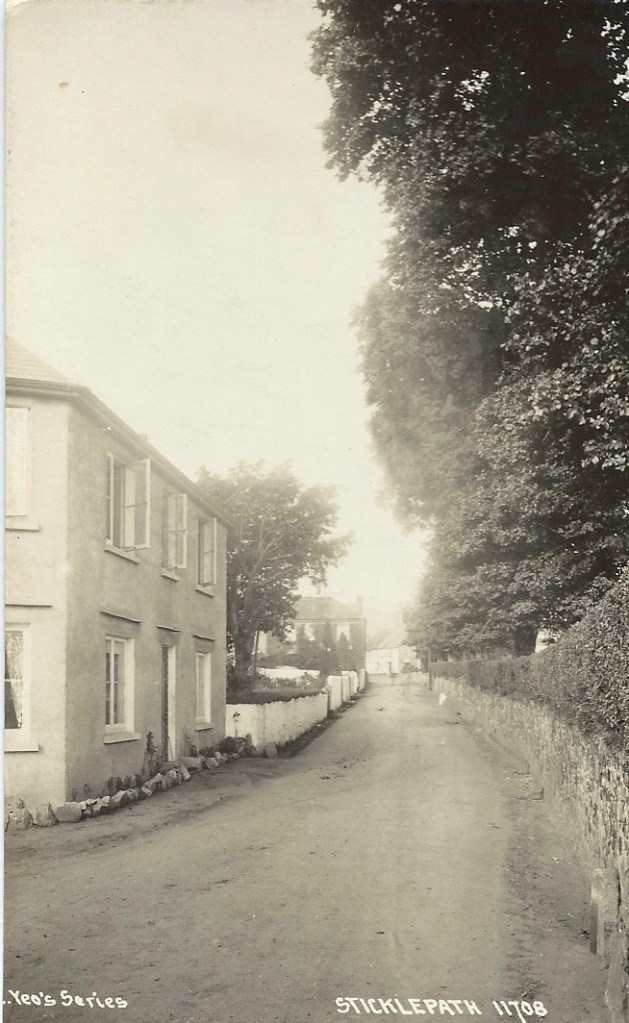
Like Miss Harriet Worden down by the bridge at Waters Meet, and Mrs Ada Tucker up at number one Ska View Cottages.

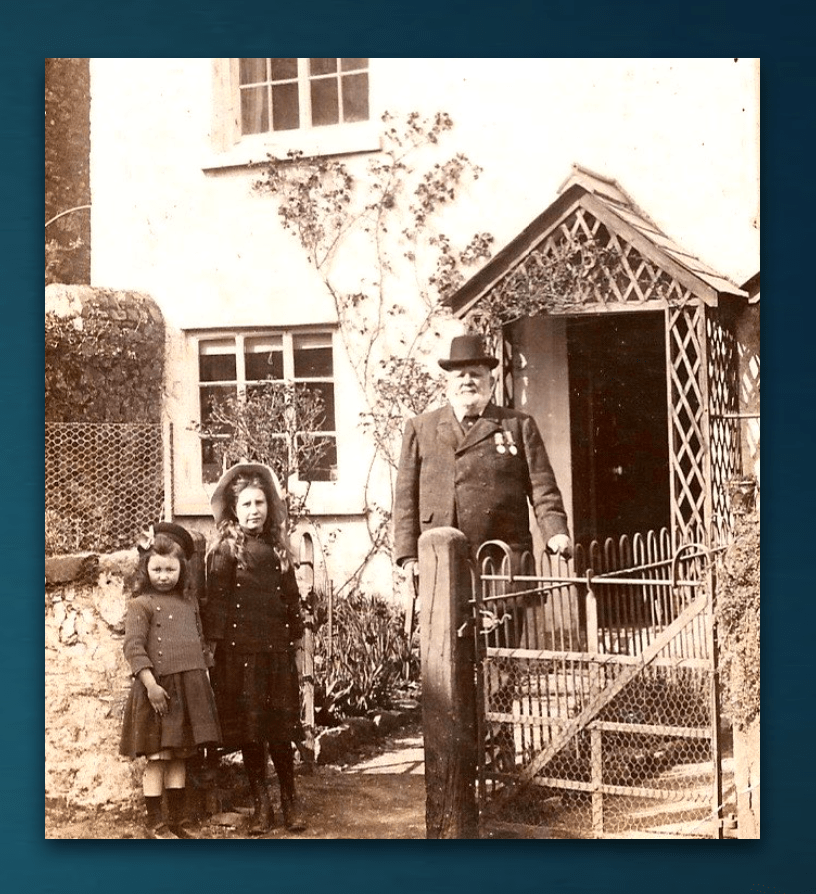
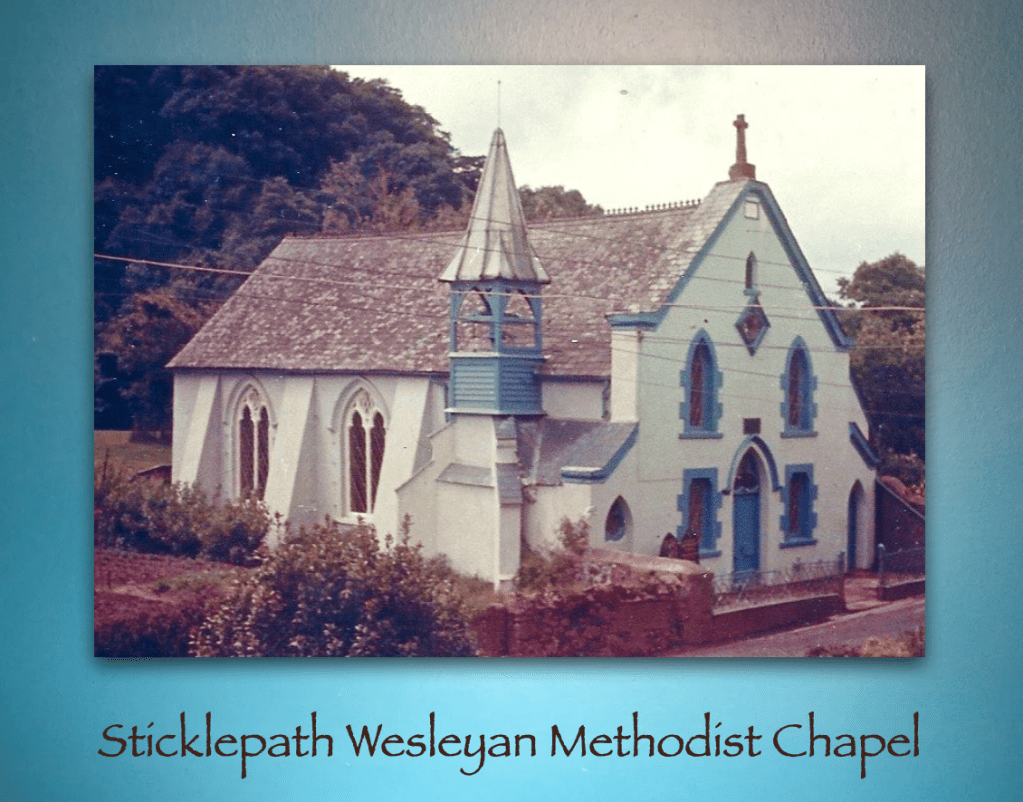
William loved to be part of any social events. Either in one of the local village halls or related to church or chapel. He even helped with making banners for the church parades. It was a lovely time in my life.
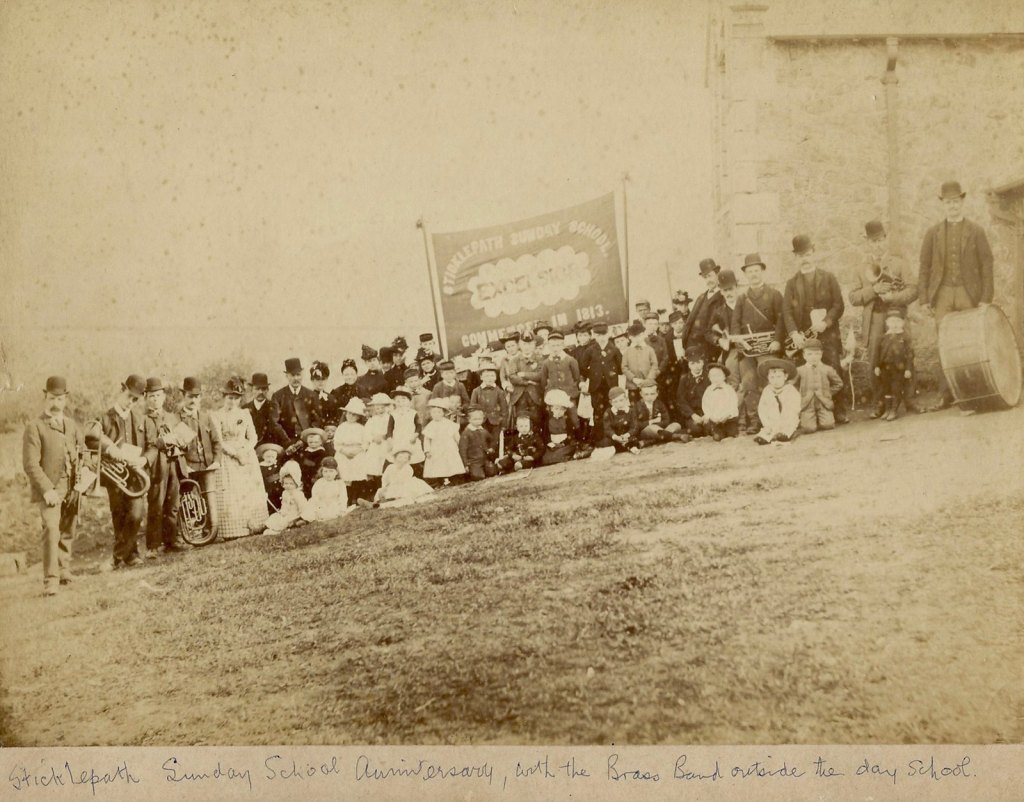
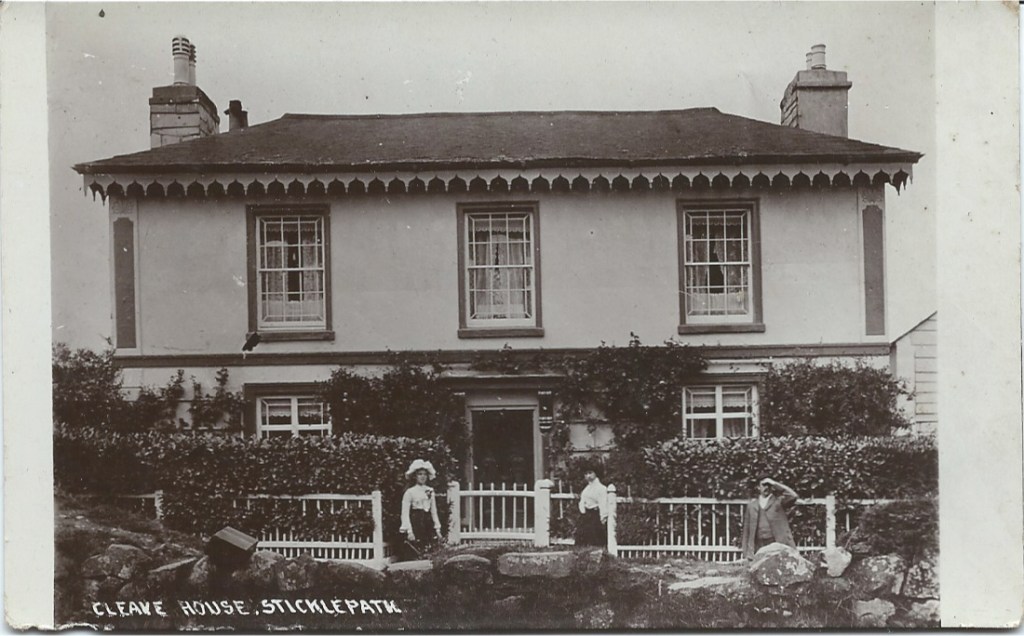
Sticklepath is a pretty village and attracts tourists to Dartmoor. When Gina was too busy with the guest house at Cleave House I would offer my help.
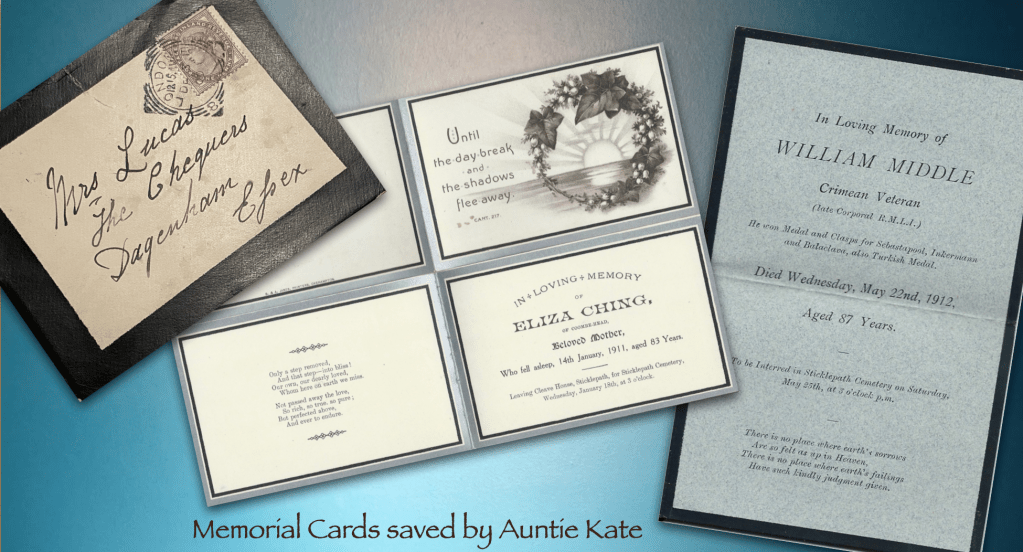
Sadly mother died in 1911 and William soon after in 1912. I always saved the memorial cards, a real source of remembrance when I lived away. Of course, you always knew bad news was coming when one of those letters arrived in an envelope with a black edge.
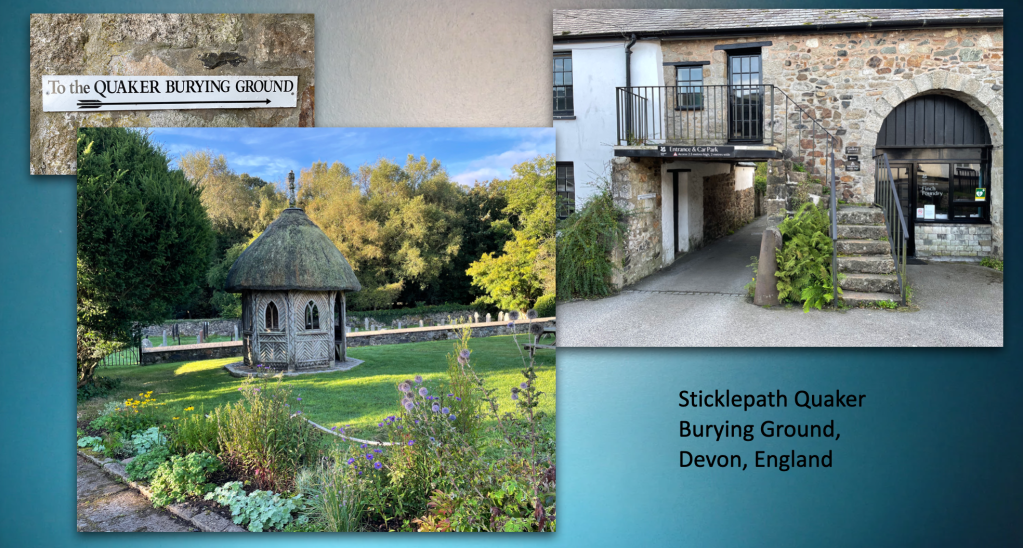
William was buried in the Sticklepath Burying Ground. We always call it the Quaker Burying Ground though it had been ecumenical for 100 years by then. Hidden down behind the Finch Foundry, it is a peaceful place where you can sit and contemplate the world with the gentle gurgling of the river Taw in the background.
A rough hewn granite headstone, really suited him. Boasting of course of his Crimean adventures.
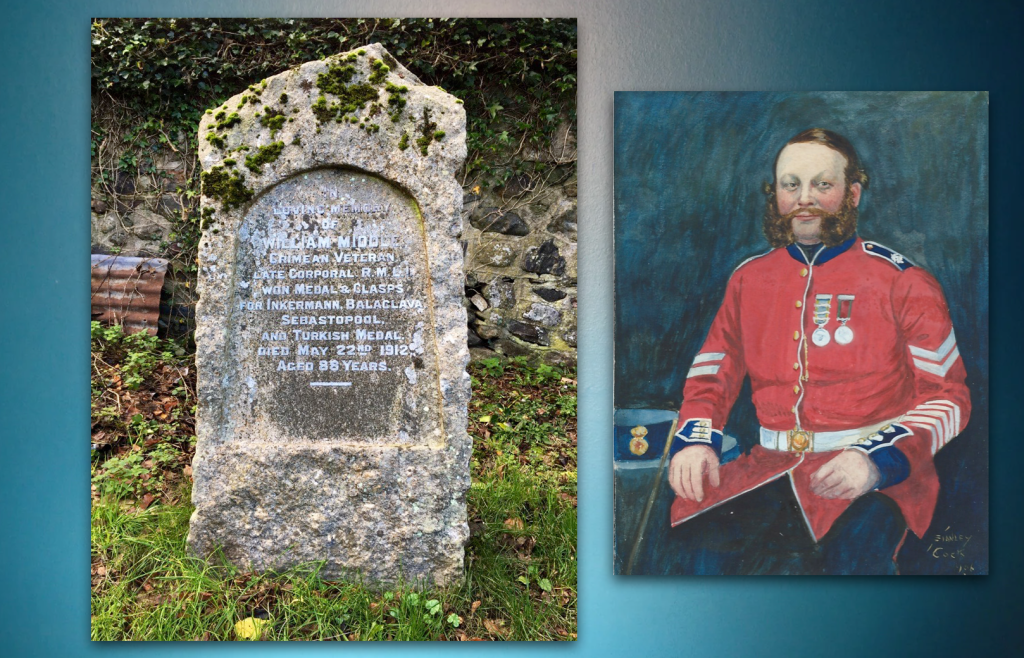
Shortly after William died, of course, I lost his war pension. Having no source of income, I found a house-keeping position down in Cornwall – Tywardreath, near Parr. So that’s where I married the second time…
Don’t miss Auntie Kate telling tales of Sticklepath School:


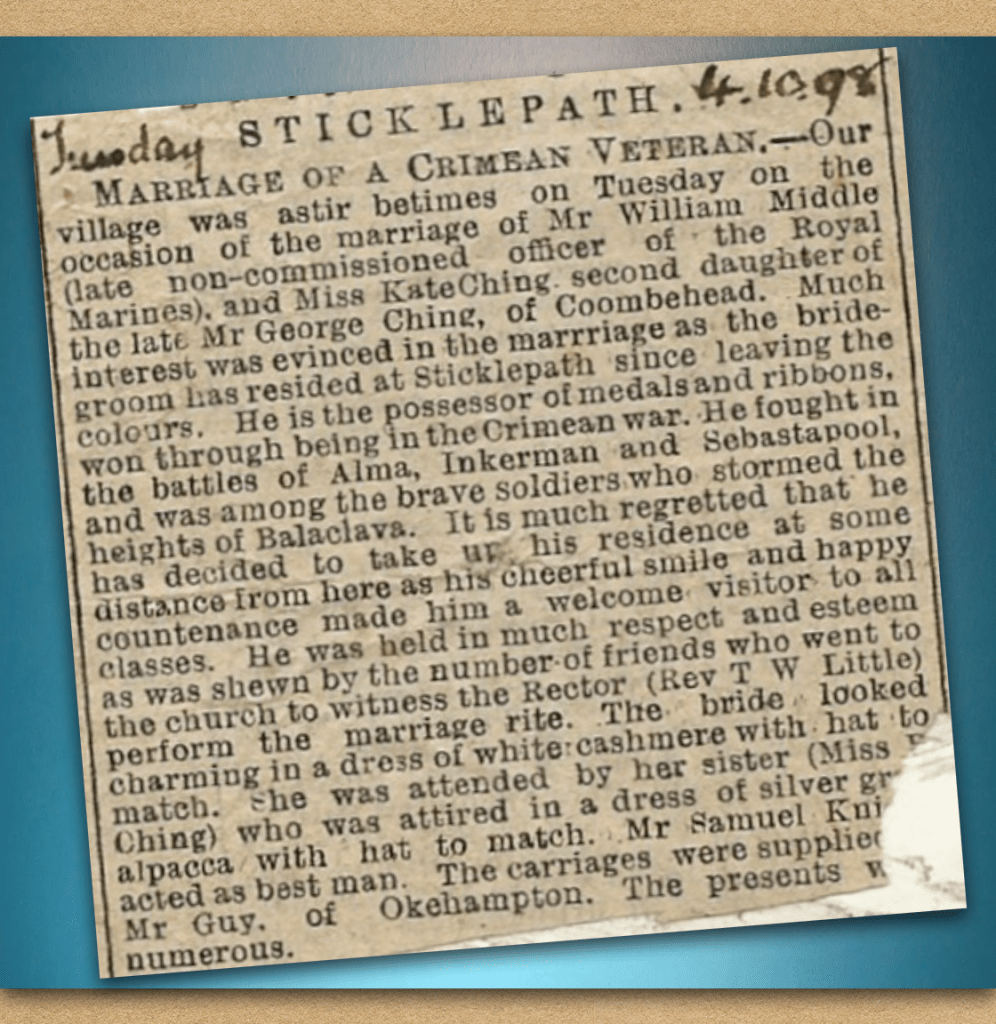






 Sticklepath a Village and its People