
One of the joys of One-Place studies is making links, as Steve Jackson said in his OPS micro focus talk yesterday for #AllAboutThatPlace, weaving a web if you like, so you start to understand how things are interconnected. This week when re-investigating headteachers I found that my own Great Grandfather was best man to the headmaster of #Sticklepath School, and their wives were sisters. He also attended the funeral of Auntie Kate.
I believe the second headmaster of Sticklepath School was Mr William Avery. I have not found his appointment, but early school records do not exist. Research at this time relies heavily on the newspapers accessed through the British Newspaper Archive September 2023.
Mr Avery attended the Mid-Devon Teachers Association on behalf of Sticklepath school in 1887. By 1888 he was well established in the community often giving readings and recitations at Sticklepath Village Hall entertainments, and playing Mr. Sergeant Buzfuz in a musical entertainment “Breach of Promise – Pickwick v Bardell”. Such entertainments were sometimes part of the Working Men’s Institute (established 1885) and sometimes on behalf of the Reading Room, which was at the village hall. It appears he was active in both organisations.
There was a celebration at the end of 1889 when William Avery married Emma Trace in South Tawton:
North Devon Herald – Thursday 05 December 1889. SOUTH TAWTON
A PRETTY WEDDING took place in the Parish Church on Thursday. The bride was Emma the youngest daughter of the late Mr James Trace of South Zeal, the bridegroom, Mr W Avery of Sticklepath.
Miss Avery, sister of the bridegroom and the Misses Tucker and Miss Trace nieces to the bride, were bridesmaids, Mr A Finch (Sticklepath) was the best man. The Vicar (Rev J F Clarke) officiated. The bride was given away by her brother, Mr James Trace.
Mrs McMurray presided at the organ and bells rang out a merry peal at the conclusion of the ceremony. The weather was very fine and a large number of friends attended the church during the service. The bride received a number of presents, and the bridegroom a handsome timepiece and a silver mounted biscuit barrel from the inhabitants of Sticklepath and neighbourhood, where he was held in high esteem. The breakfast which was laid at the house of the mother of the bride was attended by a large company of guests.
Sadly he was to leave shortly after that with his wife.
Western Times – Friday 03 January 1890
STICKLEPATH. The dance held in the Village Hall last week was numerously attended, there being about 100 present, and It proved a most enjoyable and social gathering. Dancing waa continued to 4 a.m., an excellent supper being laid at the Taw River Hotel by Mr. and Mrs. Knapman, the place being tastefully decorated for the occasion and the catering being as usual much appreciated. The members of the reading-room and their friends numbering about 70 were kindly invited to a tea and social evening by Mrs. Symington, in the village hall. After tea games, songs, recitations etc., were indulged in. Songs were glven by Mrs. Avery, Messrs. Blampey, Cann and Ellis.
During the evening Mr. Avery, schoolmaster of the village, was presented with an electro teapot by his fellow members on his marriage, and his leaving the neighbourhood for a school near Bath. Mr. W. W. Symington kindly made the presentation, and Mr. Avery suitably replied. The amusements, kept up until midnight, when coffee and cake were handed around. Before leaving, the Rev.Lucas of Belstone, member, proposed a vote of thanks to Mr. and Mrs. Symington for their extreme kindness, spoke in high terms of the good feeing existing between Mr. Symington and the working class of the neighbourhood, he being always ready to lend them a helping hand. Mr. Symington having replied ‘Auld Lang Sine” and “God save the Queen.” being sung all returned to their homes having thoroughly enjoyed themselves.
Mr. Avery has also been the recipient of a marble clock and handsome biscuit box, presented by friends of the village, also a beautiful inkstand from Mrs. Cook, the schoolmistress, and scholars, showing the high respect in which he is held. He leaves with many good wishes for his future welfare.
However, by 1891 they had returned to Devon with Mr Avery now head master of South Zeal board school, in the next village to Sticklepath, where he was to stay for many years. In the 1891 census his wife Kate is also mistress at a board school, despite having a 7 month old daughter Kate. (We do not know if she was actually working at that time.)
Sadly Emma died when Kate and her younger brother were still infants. William Avery lived a very active life, being vice-president of the Mid-Devon Teachers asssociation and often auditing their accounts alongside the later head of Sticklepath School. His sister-in-law Miss Tucker came to live with him the care for the children. William lived to a grand old age, as the newspapers again tell us:
Western Times – Friday 30 September 1949
Work For South Zeal The death occurred on Saturday at Beacon View, South Zeal, of Mr. William Avery (86), who was for years head master of the village school. For many years he was a member of South Tawton church choir, and he taught regularly in the Sunday School. The evening wood carving classes, which he conducted under the scheme of technical education were much appreciated by the young men who attended. He took a keen interest in the Men’s Reading Room (Of which he was secretary). Later he acted as honorary treasurer of the Victory Hall fund. He was an enthusiastic gardener and in former days worked hard for the success of the local horticultural shows.
Back at #Sticklepath School in January 1890: Time to advertise for a new headmaster…
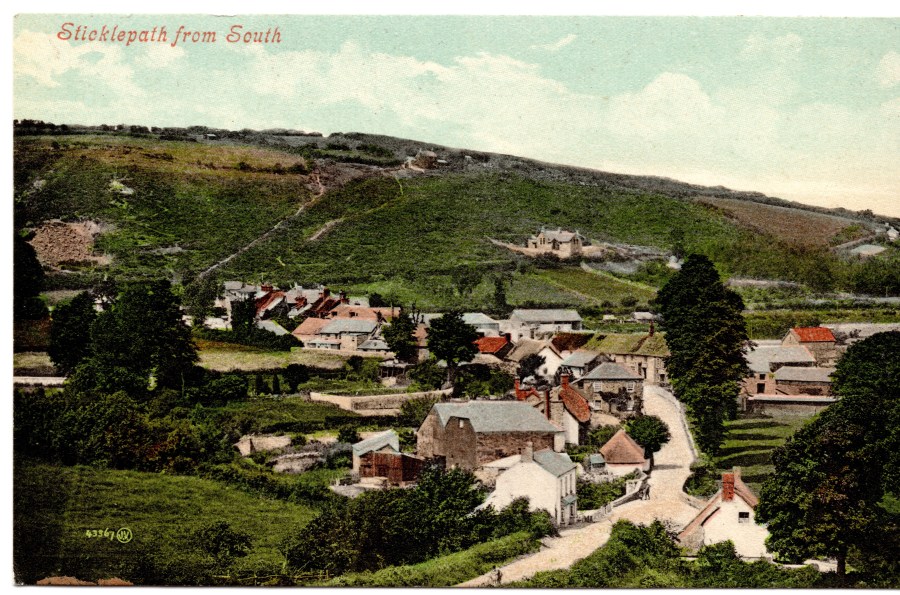


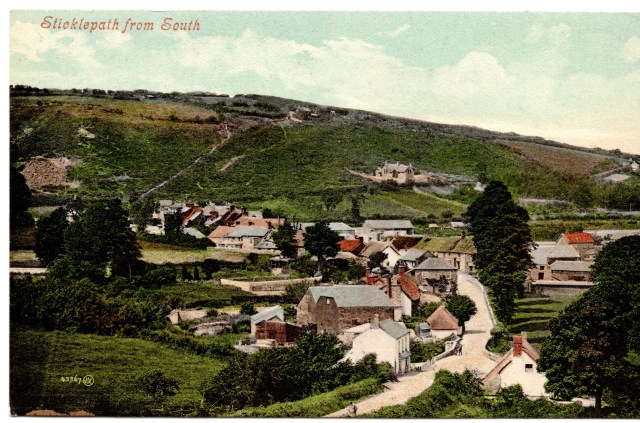
 Sticklepath a Village and its People